🔑 Key Takeaways
- The buyer's closing attorney in North Carolina handles all closing funds, including your seller proceeds—verify their wire transfer policy before signing the contract
- Back-to-back closings (selling one property to fund purchase of another) require immediate fund access; checks instead of wires can derail your timeline and next closing
- Include closing attorney wire fund capability as a contract condition or negotiate attorney selection with the buyer upfront rather than discovering limitations after signing
- Many reputable law firms have policies against wiring funds due to cybersecurity concerns, but this barrier can be mitigated with cyber insurance—knowing this matters
- National and regional builders require specific closing attorneys specifically because they verify wire fund capabilities and understand the full transaction process
📋 Episode Chapters
Episode Summary
Show Notes
📝 Full Episode Transcript
Full Episode Transcript: NC Sellers: Ask Who the Closing Attorney Is Before You Sign
This is the complete, auto-generated transcript of the episode. Timestamps are provided for quick reference.
Welcome back to Real Stories. Just a quick heads up that this program was created with AI assistance and uses a synthetic narrator. The content was reviewed and approved by Buddy Blake before publication. Information is believed accurate but should be independently verified. This program does not provide legal, tax, lending, or appraisal advice. Today we're hanging out with Buddy Blake and we're talking about something that honestly most sellers probably don't think about until it's way too late. Buddy, you had a situation recently that really drove this home
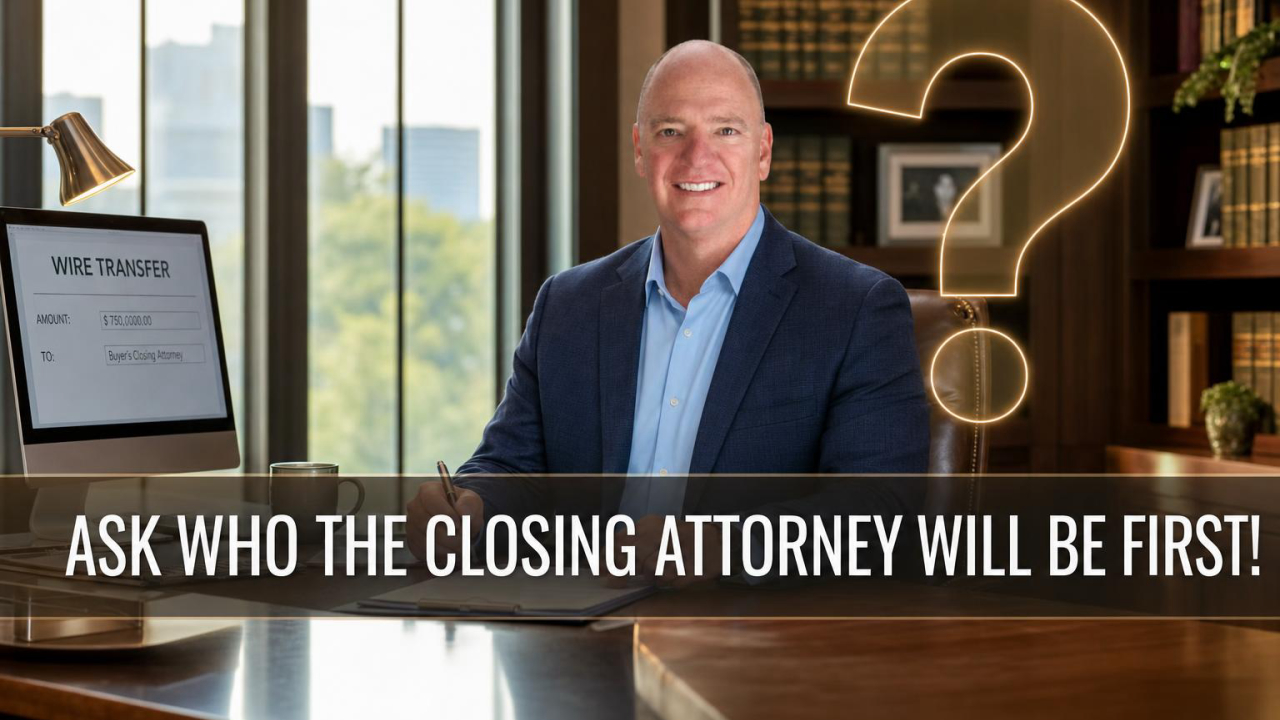
for you, right? Yeah, so I represent sellers exclusively. That's my thing. I only work for sellers and just this past week we had a transaction where my seller got put in a really uncomfortable position and it all came down to one question nobody asked up front. Who's the closing attorney going to be? Specifically, will they wire funds?
Oh wow. Okay, so you're saying this isn't just about picking any attorney. It's about what they actually do with the money? Like that matters? It matters huge. Especially if you're in a situation, and this happens more than people think, where you're selling a house but you need those proceeds wired the same day to close on another property somewhere else.
Maybe it's another part of North Carolina, maybe it's out of state entirely. Your timeline is tight. Your next closing depends on getting those funds immediately. But here's the thing. If the buyer's attorney who's handling the escrow doesn't wire funds, they're only going to cut you a check and now you've got a problem. So in your situation this week, that's exactly what happened? The buyer's attorney wouldn't wire? Exactly. And look, I'm not throwing shade at this firm. They're a very good firm, very reputable. I understand why some attorneys have policies about wiring.
There are cyber security concerns, right? But here's the thing. There's cyber insurance now. Financial institutions wire money constantly for all kinds of purposes. So it's not like it's some impossible thing, but because we didn't know this policy up front, my seller ended up in a really uncomfortable spot. And honestly, my seller was upset, probably at me too, even though neither of us could control who the buyer chose as their attorney. Right. And that's the frustrating part, because you didn't even get a choice in the matter. So if you had known this ahead of time,
what could you have done differently? We could have negotiated it in the contract. We could have said, hey, we need a closing attorney who wires funds, or we could have worked with the buyer to choose a different settlement agent. And actually, here's a good example. Builders, especially national and regional ones, they almost always require their own closing attorney if you want closing cost incentives. And people think, oh, there's a kickback involved. But that's not it at all. It's because builders know that attorney will get it done. They're familiar with the
product. And most importantly, they know they can wire funds without any headaches. That makes total sense. So builders figured this out a long time ago. They built their process around attorneys who can actually move money. So what's your advice for sellers right now who are about to go into contract? Ask the question. I know it's exciting when your house is about to go under contract. But ask, who is the closing attorney? And then dig a little deeper.
Does that attorney wire seller proceeds to your bank or to another attorney or to a title company in another state? Sometimes it's even in their closing papers in small print. But by then, it's too late because the buyer's already locked in their attorney. You as the seller need to understand that the buyer's closing attorney in North Carolina is handling your money. So know what they will and won't do before you sign that contract. And honestly, it might be worth adding as a condition of the contract itself. That's really smart. It's one of those things that
seems so obvious once you say it out loud, but nobody thinks about it until they're in a jam. And if you're buying or selling in North Carolina, we've actually got some related content in the show notes about mortgage rates, employer driven relocation demand, and even home equity strategies. All things that tie into your overall real estate picture. Buddy, thanks so much for sharing this. It's one of those conversations that could literally save someone a ton of stress.
Yeah, absolutely. I mean, real estate transactions are complicated enough without surprises popping up at the last minute. Just ask the question up front. It takes five minutes and could save you days of headache. Real Stories with Buddy Blake. Thanks for listening and we'll catch you next time.
❓ Frequently Asked Questions
Does the buyer's attorney in North Carolina control my seller proceeds?
Yes. In North Carolina, the buyer's closing attorney is the settlement agent who controls and manages all closing funds, including your seller proceeds. This is why their wire fund policies directly impact your ability to access your money on closing day.
What happens if the closing attorney won't wire funds?
If the attorney only issues checks instead of wiring funds, you face significant delays in receiving your proceeds, which is especially problematic for back-to-back closings where you need funds the same day to close on another property. This can cause your next closing to fall apart entirely.
Can I negotiate which attorney handles my closing in North Carolina?
You can attempt to negotiate attorney selection in your contract terms before signing, or work with the buyer to choose a different settlement agent. However, once the contract is signed with the buyer's attorney designated, your leverage diminishes significantly.
Why do builders require their own closing attorneys?
Builders require specific closing attorneys because they've verified those firms can wire funds reliably, understand their transaction processes, and execute closings without complications. It's not about kickbacks—it's about operational certainty and fund movement capability.
What should I ask about closing attorney wire transfers before signing?
Ask: Who is the closing attorney? Will they wire seller proceeds to your bank, to another attorney, or to a title company? Confirm this policy is in writing before you sign the contract, as some attorneys list these limitations only in closing documents.
About the Host

Get Your Free Home Valuation from Buddy Blake
Whether you're thinking about selling, refinancing, or just curious — get an instant, free home valuation report with neighborhood comparisons and market trends.